

A research team in Brazil has found strong evidence that the Joseph’s Coat plant (Alternanthera littoralis) is both safe and effective in reducing inflammation, relieving pain, and protecting against arthritis. The study was conducted by scientists from the Federal University of Grande Dourados (UFGD), the State University of Campinas (UNICAMP), and the State University of São Paulo (UNESP).
Identification of Active Compounds and Testing of Anti-Inflammatory Effects
Joseph’s Coat grows naturally along the Brazilian coast and has long been used in traditional medicine to treat inflammation, infections, and parasitic diseases. Despite its widespread use, there has been little scientific research to confirm whether these benefits actually exist and whether the plant is safe.

The study, published in the Journal of Ethnopharmacology, began with a detailed chemical analysis of the plant. The researchers examined the ethanolic extract from the above-ground parts of the plant to determine which bioactive compounds it contains. This phase of the work was led by Marcos Salvador, a pharmacist from the Institute of Biology (IB) at UNICAMP.
After identifying the active ingredients, the research moved on to biological tests. A team led by pharmacologist Cândida Kassuya from the Faculty of Health Sciences at UFGD evaluated how well the extract reduced inflammation in experimental arthritis models. Toxicological tests were then carried out to assess safety. “Finally, under my coordination, we performed the toxicological analyses,” explains Arielle Cristina Arena, associate professor at the Institute of Structural and Functional Biology at the Institute of Biosciences at UNESP’s Botucatu campus.
Laboratory Results Show Reduced Inflammation and Joint Damage
The experiments showed that the ethanolic extract of A. littoralis significantly reduced inflammation in laboratory animals. “In the experimental models, we observed a reduction in edema, improved joint parameters, and modulation of inflammatory mediators, suggesting an antioxidant and tissue-protective effect,” says Arena. These results suggest that the plant does more than just reduce swelling. The results also suggest that it may help protect joint tissue and limit damage associated with inflammatory conditions such as arthritis.
Promising Safety Profile With Limitations for Immediate Use
According to Arena, the results strengthen the scientific evidence for the plant’s medicinal value and provide a basis for future preclinical studies. The results also suggest a favorable safety profile at therapeutic doses, which could be encouraging for eventual use in humans.
However, the researchers point out that the extract is not yet ready for clinical use. Further toxicological testing, human clinical trials, and standardized manufacturing processes are still needed to confirm its safety, efficacy, and quality. Regulatory approval would also be required before therapeutic use.
Other Plants that May be Effective for Arthritis
A few plants are recommended more frequently for arthritis because they have been studied comparatively well and have anti-inflammatory or pain-relieving properties. One of the best known is turmeric. The active ingredient curcumin can inhibit inflammatory processes in the body, thereby relieving pain and morning stiffness. Turmeric is often used as a complementary treatment, especially for inflammatory forms of arthritis. To help the body absorb curcumin more effectively, it is usually used in combination with black pepper. People with gallbladder problems or who are taking medication should seek medical advice beforehand.
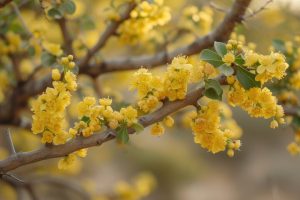
Frankincense (Boswellia serrata) has also been well researched. Frankincense extracts can reduce inflammation in the joints, reduce swelling, and improve mobility. The effect usually develops slowly over several weeks, which is why frankincense is more suitable for long-term supportive use.
Ginger is another important plant that can have both anti-inflammatory and pain-relieving effects. It can help reduce joint stiffness and is often used as tea, fresh in food, or in capsule form. Ginger is considered well tolerated, but should be increased slowly if you have a sensitive stomach.
A classic medicinal plant for chronic joint pain is devil’s claw. It is mainly used for osteoarthritis and long-term pain and can have anti-inflammatory effects and reduce the need for painkillers. However, devil’s claw is not suitable for everyone, for example, those with stomach problems or during pregnancy.
All of these plants can support medical therapy, but they are not a substitute for it. Since herbal remedies can have side effects or interact with medications, it is always advisable to consult a doctor or other medical professional.