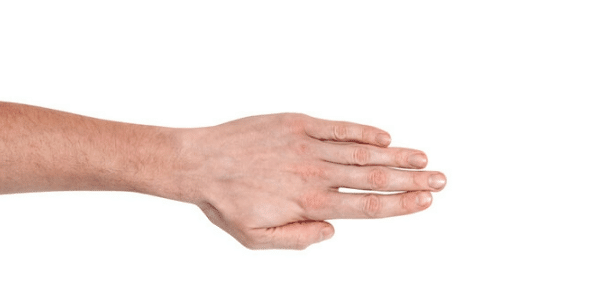
Researchers at Kobe University have developed an artificial intelligence system capable of detecting a rare endocrine disorder using only photos of the back of the hand and a clenched fist. Since this approach does not use facial images, it protects patient privacy while achieving high diagnostic accuracy. According to the scientists, the technology could help doctors refer patients to specialists more quickly in the future and improve access to medical care in underserved areas.
Acromegaly: Hands and Feet Enlarge
The disease targeted by the AI is acromegaly, a rare hormonal disorder that usually occurs in middle age. It is caused by excessive production of growth hormones. This hormone is produced in the pituitary gland. The cause is usually a benign tumor in this gland. Due to the excess growth hormone, bones and soft tissues in particular continue to grow, even though normal physical growth has already ceased. A typical symptom is the enlargement of hands and feet—those affected often notice that rings or shoes no longer fit. The face also changes: the jaw, nose, lips, and forehead may become coarser and more pronounced. Additionally, symptoms such as headaches, joint pain, sweating, fatigue, or vision problems may occur.

It is important that acromegaly be treated, as it can lead to serious complications such as cardiovascular disease if left untreated. Treatment usually consists of surgery, medication, or radiation therapy to normalize hormone production. Since the disease develops gradually over many years, it can be difficult to detect early on. Acromegaly can shorten life expectancy by about 10 years. “Because the disease progresses so slowly and is a rare condition, it often takes up to a decade to diagnose,” says endocrinologist Hidenori Fukuoka of Kobe University. He added: “With advances in AI tools, there have been attempts to use photos for early detection, but these have not caught on in clinical practice.”
A Privacy-Focused AI Approach Using Hand Images
When the research team reviewed existing AI studies, they found that many systems for detecting the disease rely on facial photos. However, facial recognition can raise privacy concerns among patients. To address this issue, the scientists chose a different strategy. Yuka Ohmachi, a doctoral student at Kobe University, explained: “To address this concern, we focused on the hands—a body part that we routinely examine alongside the face for diagnostic purposes in clinical practice, especially since acromegaly often manifests through changes in the hands.”
To strengthen privacy protection, the researchers limited their images to the back of the hand and a clenched fist. They deliberately avoided images of the palms, as palm line patterns are highly individual and could reveal a person’s identity. This cautious approach helped attract a large number of participants. In total, 725 patients from 15 medical institutions across Japan contributed more than 11,000 images, which were used to train and test the AI model.
The team published its results in the Journal of Clinical Endocrinology & Metabolism. Their AI model demonstrated very high sensitivity and specificity in detecting acromegaly based on the hand images. In a direct comparison, the system even outperformed experienced endocrinologists who evaluated the same photos. “To be honest, I was surprised that diagnostic accuracy reached such a high level based solely on photos of the back of the hand and the clenched fist. What particularly struck me was that this performance was achieved without facial features, which makes this approach much more practical for disease screening,” said Ohmachi.
Expanding Medical AI to Other Conditions
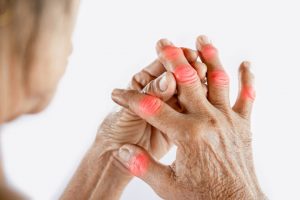
The researchers now hope to adapt their system so that it can detect other conditions that cause visible changes in the hands. Potential targets include rheumatoid arthritis, anemia, and clubbing. Clubbing is a noticeable change in finger shape in which the distal phalanges of the fingers thicken and widen, resembling the shape of a drumstick. At the same time, the fingernails often appear more arched, shiny, and larger, a condition known as watchglass nails. This change usually does not occur on its own but is an indication of a long-standing condition in the body. Clubbing is frequently associated with chronic lung diseases, such as lung cancer or severe inflammation, but heart diseases that lead to a persistent lack of oxygen in the blood can also be the cause. Less commonly, diseases of the digestive system or the liver are involved. The exact mechanism is not yet fully understood, but it is believed that improved blood flow and tissue proliferation in the distal phalanges play a role. It is important that clubbing of the fingers always be medically evaluated, as it can be a significant warning sign of serious underlying conditions. This finding could be the starting point for expanding the potential of medical AI.
In clinical practice, doctors rely on far more than just hand images when diagnosing patients. Medical history, laboratory tests, and physical examinations also play an important role. Researchers at Kobe University view their AI tool as something that can support doctors rather than replace them. In their study, they describe the technology as a way to “supplement clinical expertise, reduce diagnostic oversights, and enable earlier interventions.”
The researchers believe that further development of this technology could lead to the creation of a medical infrastructure within the framework of comprehensive health screenings to refer suspected cases of hand disorders to specialists. Furthermore, it could support primary care physicians in regional healthcare facilities, thereby helping to reduce health disparities in those areas.
Related Posts
-

Hormone replacement therapy is a treatment that may help to improve menopause symptoms. Timing the…
-
Is there a scientific reason for why women tend to live a longer life than…
-
Within the human body lies a little-known protein that can have a great impact on…