As we age, the brain also changes. Certain areas lose volume, gray and white matter decrease, and the fluid-filled cerebral ventricles may enlarge. While some of these changes are part of the normal aging process, they are also being studied in connection with various neurodegenerative diseases.
A recent study now provides evidence that diet may be linked to the rate of such structural changes. The focus is on the so-called MIND diet, a dietary pattern that combines elements of the Mediterranean diet with the principles of the DASH diet for lowering blood pressure. The researchers found that people who adhered more closely to this dietary pattern experienced a slower loss of certain brain structures over several years. The association was particularly clear in the case of gray matter.
A Diet Specifically Designed for Brain Health
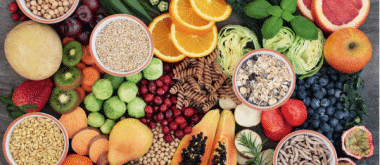
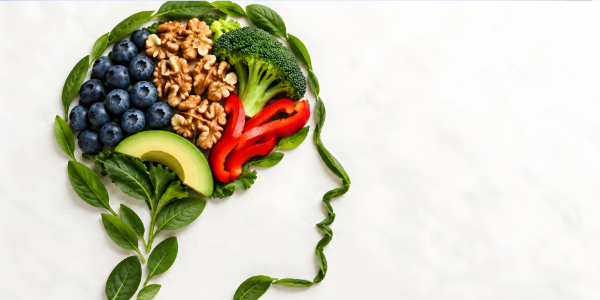
The MIND diet was developed specifically with the goal of combining elements of the Mediterranean diet and the so-called DASH diet with findings from dementia and aging research. Its full name is “Mediterranean-DASH Diet Intervention for Neurodegenerative Delay.” The focus is on foods that should be included regularly in the diet. These include, in particular, green leafy vegetables, other vegetables, berries, nuts, whole grains, beans, and other legumes, fish, poultry, and olive oil. Wine is also one of the recommended components of the original MIND diet, though only in moderate amounts. Green leafy vegetables and berries are particularly emphasized. For example, the original dietary guidelines recommend eating green leafy vegetables regularly and incorporating berries into the diet several times a week. Nuts, beans, and whole grains should also be consumed regularly. Fish should be included at least once a week, and poultry is preferred over red meat.
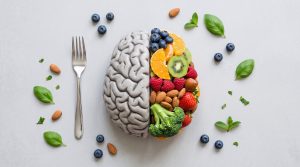
At the same time, certain foods should be eaten much less frequently. These include, above all, red meat, butter and margarine, cheese, sweets and pastries, as well as fried foods and fast food. This is not a strict prohibition. Rather, frequency is key: The MIND diet aims to establish a long-term eating pattern centered on plant-based and minimally processed foods. The selection of foods is based, among other things, on their nutrient content and bioactive substances. Vegetables, berries, nuts, and olive oil, for example, provide various phytochemicals and unsaturated fatty acids. Berries contain, among other things, polyphenols such as anthocyanins. Fish provides omega-3 fatty acids, while legumes and whole grains are rich in dietary fiber and various micronutrients.
Scientists are therefore investigating whether such a dietary composition could influence processes relevant to brain aging. These include, for example, inflammatory processes, oxidative stress, and the health of blood vessels. The latter, in particular, plays an important role for the brain, as nerve cells depend on an adequate supply of oxygen and nutrients. However, the MIND diet cannot simply be equated with a Mediterranean diet. It emphasizes certain foods that have been specifically linked to cognitive health. These include, in particular, berries and green leafy vegetables. At the same time, its recommendations to limit certain foods draw on principles of the DASH diet, which was originally developed primarily to support healthy blood pressure.
In scientific studies, adherence to the MIND diet is often assessed using a so-called MIND score. Participants receive points for more frequent consumption of the recommended food groups. A high intake of, for example, green leafy vegetables, berries, nuts, or beans leads to higher scores. Frequent consumption of red meat, sweets, or fried foods, on the other hand, has a negative effect on the score. The researchers in the current study used precisely this evaluation approach. This allowed them to compare whether people who followed the MIND diet more closely over many years showed different changes in their brain structure than those with lower adherence.
However, it is important to note that a high MIND score does not prove that the diet itself is responsible for the observed differences. People whose diets align more closely with the MIND diet may also differ in other ways—for example, by getting more exercise, smoking less, or leading a generally more health-conscious lifestyle. The MIND diet is therefore primarily of interest as a dietary pattern for studying brain health. Further studies are needed to determine whether it can actually slow the structural aging of the brain or reduce the risk of neurodegenerative diseases.
Less Loss of Gray Matter
For the study, the researchers analyzed data from 1,647 adults in the Framingham Heart Study Offspring Cohort. The average age at the start of the study was about 60 years. The participants received medical follow-up over many years. In addition, repeated MRI scans of the brain were performed. As a result, data covering an average follow-up period of about twelve years were available for the current analysis. Diet was assessed using questionnaires. From this, the researchers calculated a MIND diet score ranging from 0 to 15 points. A higher score indicated greater adherence to the MIND diet recommendations. Using the MRI scans, the researchers were then able to track how various brain structures changed over time.
As expected, the brain images of the participants showed typical age-related changes overall. Total brain volume decreased, as did the volume of gray and white matter and the hippocampus. At the same time, the cerebral ventricles enlarged. These are cavities inside the brain filled with cerebrospinal fluid that can become larger as brain tissue is lost.
In individuals with higher MIND diet scores, the decline in gray matter, in particular, proceeded more slowly. According to the researchers, a three-point increase in the MIND score was associated with an approximately 20 percent reduction in age-related loss of gray matter. The calculations corresponded to a delay in structural brain aging of about 2.5 years.
A correlation was also observed regarding the enlargement of the brain ventricles. A higher MIND score was associated with a slower increase in ventricle volume. However, these figures should not be interpreted to mean that the participants actually became 2.5 years “younger” as a result of the MIND diet. These are statistical calculations from an observational study.
Berries Stand Out in Particular
A closer look at individual foods also revealed differences. Higher consumption of berries was associated with a slower increase in ventricular volume. Poultry was also linked to several beneficial structural changes. With sweets, however, a different pattern emerged. Higher consumption was associated with a greater enlargement of the ventricles and a more pronounced decrease in hippocampal volume.
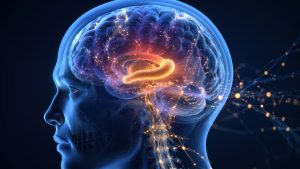
Fried fast-food items were also associated with a greater loss of hippocampal tissue. The hippocampus is a brain region that is particularly important for learning and memory. Changes in this structure are therefore also being studied in research on neurodegenerative diseases such as Alzheimer’s.
The researchers suspect that, among other factors, the antioxidant and anti-inflammatory properties of certain foods may play a role. However, this is only a possible explanation and was not proven to be the cause by the study itself.
The Association Was Stronger Among Oolder Adults
It is interesting to note that not every finding clearly fit the “a healthy diet protects the brain” hypothesis. For example, higher whole-grain consumption in this study was sometimes associated with less favorable structural changes. These included a faster decline in gray matter and the hippocampus, as well as a greater increase in ventricular volume. In contrast, cheese consumption showed an unexpected pattern: higher consumption was associated with several more favorable structural changes.
Such findings demonstrate why individual foods should not be evaluated in isolation from an observational study. Dietary patterns are complex, and people who eat certain foods more frequently often differ in other lifestyle habits as well. The statistical associations between the MIND diet and brain structure were more pronounced among older participants. Stronger associations were also observed in some cases among people who were more physically active or who were not overweight or obese.
This could suggest that diet and other lifestyle factors are jointly associated with the brain’s aging process. However, the available data do not provide a clear answer as to whether the combination of various healthy habits actually offers additional protection.
Why the Study Does Not Provide Evidence of an Anti-Aging Effect
Despite the interesting MRI data, this is an observational study. The researchers did not randomly assign a subset of participants to a MIND diet and then compare them with a control group. Instead, they examined how self-reported dietary patterns were associated with the changes in the brain observed later on. Therefore, it cannot be proven that the MIND diet caused the slower loss of brain tissue.

For example, people with higher MIND diet adherence also differed from participants with lower scores in other areas. They were more likely to have a higher level of education, smoked less frequently, and had fewer specific conditions such as type 2 diabetes, high blood pressure, or cardiovascular disease. Such factors may also be linked to brain health.
Furthermore, dietary intake was assessed using questionnaires, which means recall bias cannot be ruled out. Changes in dietary habits over the years could not be fully accounted for either.
Diet Could be One Factor Among Many
Nevertheless, the study provides an interesting insight: A dietary pattern rich in vegetables, berries, nuts, legumes, fish, and other minimally processed foods may be associated with slower structural changes in the brain as people age. This aligns with a broader field of research examining how diet, exercise, blood pressure, metabolism, and other lifestyle factors collectively influence brain aging.
The gray matter is particularly relevant in this context. It contains large portions of the nerve cell bodies and is involved in numerous functions, including perception, learning, memory, and decision-making processes. However, the study does not show that a specific diet prevents Alzheimer’s or other neurodegenerative diseases.
Rather, the results suggest that diet should be viewed as one component of a more comprehensive approach to maintaining brain health. Blood pressure control, regular physical activity, adequate sleep, social and mental engagement, and the treatment of metabolic and vascular diseases are also associated with brain health in older age. The MIND diet could be one way to combine several of these diet-related factors into a single dietary pattern. However, whether it actually slows brain aging would need to be tested in long-term randomized trials.
The Brain Ages – But Possibly Not at the Same Rate for Everyone
The current study makes it particularly clear that structural brain aging can vary from person to person. These differences appear to be linked to numerous factors, including diet, physical activity, metabolism, vascular health, and other lifestyle conditions.
The MIND diet should therefore not be viewed as a standalone “anti-aging diet.” What is more interesting is the underlying dietary pattern: plenty of plant-based foods, berries, nuts, and legumes, combined with fish and other high-quality foods, and lower consumption of highly processed products.
The new study provides evidence that such a dietary pattern may be associated with slower structural brain aging. However, whether this actually results in a lower risk of dementia or other neurodegenerative diseases remains an open question for further research.
Related Posts
-

Adults aren't eating enough fiber. Considering that fiber could play a key role in reducing…
-
The ketogenic diet, or keto diet, is a low-carbohydrate high-fat diet that forces the body…
-
Selenium minerals can inhibit your brain aging and memory loss. A study by the University…