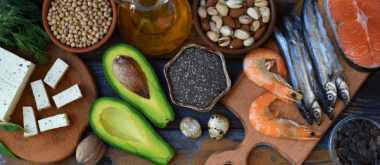

- A new study published in JACC, the renowned journal of the American College of Cardiology, suggests that the type of foods people choose when following a low-carbohydrate or low-fat diet may be more important than simply reducing carbohydrates or fat. The researchers found that when these diets focused on nutrient-rich, whole foods, they were associated with a lower risk of coronary heart disease (CHD). In contrast, diets based on refined carbohydrates and animal products were associated with a higher risk of CHD and less favorable metabolic markers.
Low-carbohydrate and low-fat diets are widely popular. However, scientists have not yet fully understood their long-term effects on heart health, especially when considering the quality of the foods included in each dietary pattern. This study is one of the largest and most detailed investigations to date, examining the dietary quality, metabolomic data, and CHD risk of nearly 200,000 US adults over a period of more than 30 years.
Coronary Heart Disease and its Impact
Coronary heart disease (CHD) is a disease of the coronary arteries that supply oxygen to the heart muscle. It is usually caused by atherosclerosis, in which fat, cholesterol, and other substances are deposited in the artery walls. This narrows the arteries and prevents sufficient blood flow to the heart muscle. Typical risk factors include smoking, high blood pressure, high cholesterol, diabetes mellitus, obesity, lack of exercise, stress, and a family history of the disease. The most common symptom is angina pectoris, which manifests as pressure or tightness in the chest and can radiate to the arm, back, neck, or jaw. Shortness of breath, nausea, and heavy sweating may also occur. If a coronary artery becomes completely blocked, a heart attack occurs.

The diagnosis is made through tests such as an ECG, stress ECG, blood tests, cardiac ultrasound, or cardiac catheterization. Treatment consists of a combination of lifestyle changes such as quitting smoking, eating a healthy diet, and exercising regularly, as well as drug therapy with blood thinners, beta blockers, or cholesterol-lowering drugs. In severe cases, vascular dilation with a stent or bypass surgery may be necessary. A healthy lifestyle is also the most important preventive measure.
Age plays a central role in coronary heart disease (CHD) and is considered one of the most important non-modifiable risk factors. The risk increases significantly with age, as atherosclerosis develops slowly over many years. Deposits of fat, cholesterol, and calcium accumulate in the vessel walls and gradually lead to a narrowing of the coronary arteries. At the same time, the vessels lose elasticity with age, making them stiffer and promoting high blood pressure, which further contributes to the development of CHD.
In addition, other risk factors such as high blood pressure, diabetes mellitus, or elevated cholesterol levels become more common with age. These factors interact and increase the overall risk. In men, the risk of developing the disease usually increases significantly from around the age of 45, and in women from around the age of 55, especially after menopause, as the protective influence of female sex hormones decreases. Overall, the longer risk factors affect the vessels, the greater the likelihood of developing coronary heart disease in old age.
Why Food Sources Matter in Low-Carbohydrate and Low-Fat Diets
“Our findings have shown that it’s not just about reducing carbohydrates or fat, but also about the quality of the foods people choose for these diets,” said Zhiyuan Wu, a postdoctoral fellow at the Harvard T.H. Chan School of Public Health and lead author of the study. “The effectiveness of low-carbohydrate and low-fat diets in reducing the risk of coronary heart disease is a topic that continues to be debated, and previous studies have come to different conclusions.”
Wu noted that previous research may have yielded conflicting results because people can follow a low-carbohydrate or low-fat diet in very different ways. Some emphasize vegetables, whole grains, and healthy fats, while others rely more heavily on refined grains, processed foods, and animal fats. “Focusing only on nutrient composition and not on food quality may not lead to health benefits,” he said.
To better understand these differences, the researchers analyzed data from 198,473 participants in three large cohort studies: the Nurses’ Health Study (NHS), the NHSII, and the Health Professionals Follow-up Study. In total, participants were followed for more than 5.2 million person-years, during which 20,033 cases of CHD were recorded. Dietary habits were measured using questionnaires on the frequency of consumption of certain foods. The research team then developed rating systems to distinguish between healthier and less healthy versions of low-carbohydrate and low-fat diets based on the type of foods consumed and overall nutrient quality.
Healthy vs. Unhealthy Dietary Habits
The analysis revealed several important patterns:
- Healthy versions of both low-carbohydrate and low-fat diets, which emphasized plant-based foods, whole grains, and unsaturated fats, were associated with a significantly lower risk of CHD.
- Unhealthy versions with a high proportion of refined carbohydrates and animal fats and proteins were associated with a higher risk of CHD.
- A higher-quality diet was also associated with lower triglyceride levels, higher HDL cholesterol levels, and a lower tendency toward inflammation.
- Metabolomic testing confirmed these findings and revealed favorable biomarker patterns in people who ate healthier diets.
“These findings suggest that healthy low-carbohydrate and low-fat diets may have common biological pathways that improve cardiovascular health,” Wu said. “Focusing on overall diet quality may offer individuals flexibility to choose eating patterns that suit their preferences while supporting heart health.”
Study Limitations and Broader Implications
The researchers noted that the findings may not apply to more extreme diets with very low carbohydrate or fat intake, such as ketogenic diets. The findings should be interpreted within the context of the macronutrient intake observed in the study. In addition, dietary information was self-reported by participants, which may lead to measurement errors. Because participants were health professionals, who tend to have higher health awareness and better access to medical care, the results may not be fully representative of the general population, even though the biological mechanisms involved are unlikely to differ significantly.
“This study helps advance the long-standing debate between low-carbohydrate and low-fat diets,” said Dr. Harlan M. Krumholz, editor-in-chief of JACC. “The results show that the quality of the food people eat is most important for heart health. Regardless of whether a diet is low in carbohydrates or low in fat, an emphasis on plant-based foods, whole grains, and healthy fats is associated with better cardiovascular outcomes.”
Improving Heart Health
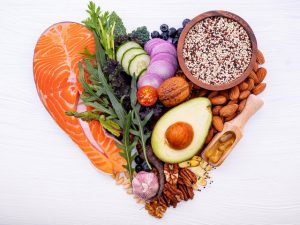
Plant-based foods such as vegetables, fruits, legumes, nuts, and seeds are high in fiber, vitamins, minerals, and phytochemicals. Fiber, for example, lowers LDL cholesterol levels by binding bile acids in the intestine, thereby increasing cholesterol excretion. At the same time, it improves blood sugar regulation, which is important because permanently elevated blood sugar levels damage the blood vessels. Antioxidant and anti-inflammatory plant compounds also reduce chronic inflammatory processes that contribute to the development of atherosclerosis.
Whole grain products are more beneficial than refined carbohydrates because they are digested more slowly. This results in lower blood sugar spikes and a more stable insulin response. This protects the blood vessels and reduces the risk of diabetes mellitus—an important risk factor for coronary heart disease.
Healthy fats, especially unsaturated fatty acids from nuts, seeds, avocados, or vegetable oils, improve the lipid profile by lowering LDL cholesterol and, in some cases, increasing HDL cholesterol. Omega-3 fatty acids also have an anti-inflammatory effect and can prevent cardiac arrhythmias.
In contrast, highly processed foods, trans fats, large amounts of saturated fats, and refined sugars promote inflammation, increase LDL cholesterol, worsen insulin sensitivity, and promote obesity—all factors that accelerate atherosclerosis. Therefore, it is not primarily important whether a diet is low in carbohydrates or low in fat, but rather the quality of the carbohydrates and fats it contains. A predominantly plant-based, minimally processed diet supports several protective mechanisms at the same time, leading to better cardiovascular outcomes.
Related Posts
-

A medical condition known as vascular endothelial dysfunction can precipitate potentially serious health issues, including…
-
A recent study has discovered that people age with fewer health problems when they have…
-