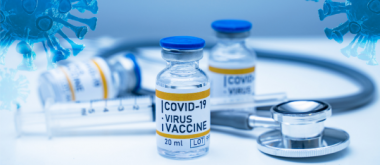
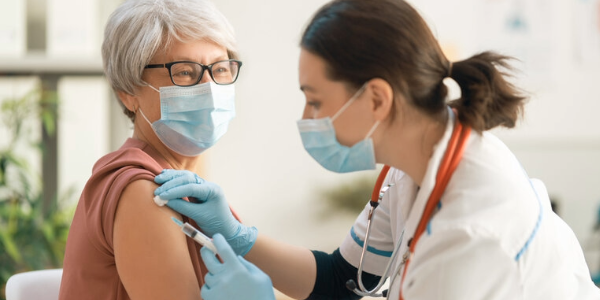
According to a study published in Aging Cell, a naturally occurring compound called spermidine may help boost the immune response to vaccines in some older adults by reducing the biological signs of aging in the immune system. The study was led by Dr. Katja Simon, group leader of the Laboratory for Cell Biology of the Immune System at the Max Delbrück Center, and Dr. Ghada Alsaleh, associate professor at the Nuffield Department of Orthopedics, Rheumatology & Musculoskeletal Sciences at the University of Oxford (NDORMS). Their findings suggest that daily intake of a spermidine supplement improved several parameters of the immune response following a COVID-19 vaccination.
Spermidine May Boost the Immune System in Older Adults
The immune system loses its effectiveness with age, making it more difficult for the body to fight off infections and respond fully to vaccines. This gradual decline, known as immunosenescence, can increase susceptibility to age-related health problems and result in some older adults having only weaker protection following vaccination.
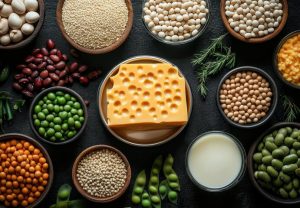
Spermidine is a naturally occurring compound belonging to the polyamine group, found in nearly all living cells. The human body produces spermidine on its own, and it is also absorbed through the diet. Particularly high amounts are found in wheat germ, mushrooms, soybeans, legumes, and aged cheese such as Parmesan or Cheddar, among other foods. Since the body’s own production of spermidine and its concentration in tissues can decline with age, the substance has been the subject of intensive research in recent years in connection with healthy aging.
Spermidine plays an important role in cell growth, cell division, and the maintenance of cell function. Of particular interest is its ability to stimulate a process known as autophagy—a natural recycling process in which cells break down and recycle damaged or no longer needed components. This mechanism helps keep cells functioning properly and declines with age. Studies using cell cultures and animal models suggest that spermidine may slow down aging processes and support the function of various organs.
Clinical trials are currently investigating whether these effects occur to the same extent in humans and what health benefits they may offer. “Many older adults respond well to vaccines,” explains Alsaleh. “But some do not develop strong protection even after repeated vaccination. The biological aging of immune cells could be one reason for this. Our findings suggest that spermidine could help restore certain aspects of immune function in this group.” Researchers from the Oxford Vaccine Group, including Dr. Paul Klenerman, Dr. Teresa Lambe, and Dr. Lucy Jones, as well as Owen B. Spiller from Cardiff University, were also involved in the project.
Why Vaccines May Lose Effectiveness With Age
The COVID-19 pandemic has impressively demonstrated the importance of vaccination in preventing severe illness and death. However, the immune system changes with age. This process, known as immunosenescence, leads to a decline in the effectiveness of both the innate and adaptive immune responses. Immune cells respond more slowly to new pathogens, and communication between the various components of the immune system decreases. At the same time, a chronic, low-grade inflammatory response—known as “inflammaging”—occurs more frequently in the body, which can further impair the function of immune cells.
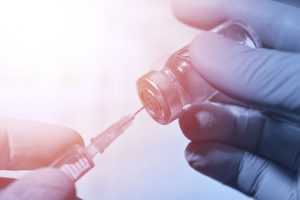
As a result, the body has a harder time mounting a strong and long-lasting immune response after a vaccination. Older adults often produce lower levels of protective antibodies, and T cells—which recognize and destroy infected cells—also tend to respond less effectively. Furthermore, the number of so-called naive T and B cells—that is, the immune cells capable of recognizing new pathogens for the first time—decreases with age. Instead, memory cells that target already known pathogens become dominant. For this reason, older people often respond less strongly to vaccines than younger people and, for some vaccinations, require special high-dose or adjuvanted vaccines that specifically stimulate the immune system more strongly.
To investigate whether spermidine could enhance this response, Simon and her colleagues recruited 40 healthy adults aged 65 and older. After receiving their third COVID-19 vaccine dose, the participants took either six milligrams of spermidine or a placebo daily for 13 weeks. About a quarter of the participants showed only a very weak antibody response even after three vaccine doses. Their immune cells also showed clear signs of biological aging, including increased DNA damage and molecular markers associated with cellular senescence. During cellular senescence, damaged or aging cells no longer function normally but remain in the body and accumulate over time.
Stronger Antibody Responses in Some Participants, But a Very Small Study
Among the vaccine non-responders who received spermidine, several indicators of vaccine-induced immunity improved significantly. These participants generally developed higher antibody levels against SARS-CoV-2 and exhibited stronger neutralizing activity against several viral variants. The researchers also found that spermidine reduced markers associated with immune senescence and increased autophagy. Autophagy is a natural recycling process that allows cells to remove damaged material and maintain their normal function. The dietary supplement appeared to be safe and well tolerated. The researchers did not observe any treatment-related side effects.
The fact that the study included only 40 participants significantly limits its validity. As a pilot study, it was primarily designed to assess the safety and feasibility of the treatment and to provide initial evidence of potential benefits. With such a small number of participants, individual subjects can strongly influence the overall result, so it cannot be ruled out with certainty that the observed effects are at least partly due to chance. For this reason, the researchers deliberately refer to “initial indications” rather than definitive proof that spermidine enhances the immune response to vaccination.
To confirm the results, larger clinical trials with significantly more participants are needed. Only when the positive effects are replicated in various studies and across different groups of people will it be possible to assess whether spermidine actually and reliably improves the effectiveness of vaccinations. Furthermore, it must be investigated whether the observed benefit applies not only to COVID-19 vaccines but also to other vaccines, such as those against seasonal flu, and whether the improved immune responses will translate into better long-term protection against infectious diseases.
Related Posts
-

Essential foot care is crucial to maintaining your health and strengthening your mobility as you…
-
-
An organism known as group B strep, sometimes abbreviated as GBS, has the potential to…