

Products enriched with protein are now filling grocery store shelves and can be found in a wide variety of items—from cereal to coffee to water. However, a new review of more than 350 studies on protein restriction and aging suggests that many people may benefit more from consuming less protein, and that a lower intake could, in some cases, contribute to a longer life.
An Alternative to Calorie Restriction
The review, published in the Cell Press journal Cell Press Blue, examines how reducing protein intake might affect the aging process. The researchers conclude that protein restriction can improve metabolism, alter how cells respond to nutrients, limit cell damage, and help cells maintain their normal function.

“It is absolutely clear that protein has benefits for muscle growth and the exercise response in active people,” said Dudley Lamming, the study’s corresponding author from the University of Wisconsin-Madison. “However, since most people are relatively sedentary, many likely consume more protein than they actually need, which probably has negative health consequences.”
Scientists have long known that reducing calorie intake can extend lifespan and lower the risk of age-related diseases such as cancer in many organisms. In practice, however, it is extremely difficult for most people to maintain a calorie-restricted diet over the long term. Protein restriction could offer an alternative approach. Previous studies found that flies and rodents lived longer when they consumed less protein, even when their total calorie intake did not decrease. Recent clinical trials in humans have also yielded promising results. People who reduced their protein intake lost weight and body fat and showed improvements in fasting blood sugar, even though they often consumed more total calories.
Why More Protein Can Still Be Beneficial
The findings are not one-sided. Other studies suggest that a higher protein intake can support weight loss and help older adults maintain muscle mass, especially when combined with physical activity. These findings were incorporated into the U.S. Dietary Guidelines, which were updated this year. The new recommendations call for a daily protein intake of 1.2 to 1.6 grams per kilogram of body weight (0.5 to 0.7 grams per pound)—nearly twice as much as before.
Since Americans are consuming more protein than ever before and older adults are increasingly being advised to increase their intake, Lamming and his colleague reviewed decades of research to better understand the relationship between protein, metabolism, and aging.
Their analysis of more than 350 scientific articles identified several recurring biological mechanisms that could explain why protein restriction may improve health and promote longevity. Throughout the research literature, lower protein intake has been associated with better metabolic function, altered nutrient signaling, reduced cellular damage, and improved maintenance of healthy cells.
A Hormone Linked to Longevity
A key mechanism highlighted in the review is fibroblast growth factor 21 (FGF21). This hormone is primarily produced in the liver and plays an important role in adapting metabolism to changes in nutrient supply. When protein intake decreases—particularly the intake of certain essential amino acids such as methionine, isoleucine, or valine—the cells detect this deficiency and increase FGF21 production.

FGF21 exerts numerous effects in the body. It can increase energy expenditure, promote fat burning, improve insulin sensitivity, and support blood sugar regulation. Furthermore, experimental studies show that the hormone possesses anti-inflammatory properties and can reduce oxidative stress—two processes closely linked to aging and the development of chronic diseases.
Of particular interest is the connection between FGF21 and known aging signaling pathways. The hormone indirectly inhibits the activity of the mTOR signaling pathway, which controls cell growth and protein synthesis. Persistently high mTOR activity is associated with accelerated aging and an increased risk of age-related diseases, whereas FGF21 activates metabolic programs that promote cell maintenance and repair.
In animal experiments, genetically increased FGF21 production led to a significant extension of lifespan. Mice with chronically elevated FGF21 levels lived longer than control animals and were less likely to develop metabolic diseases. The effect was more pronounced in male mice than in female mice. In humans, too, FGF21 levels rise measurably following a low-protein diet and are often accompanied by improved insulin sensitivity and better blood sugar control. To date, however, there is no evidence that higher FGF21 levels in humans actually extend lifespan. The association is currently based primarily on animal studies and improvements in metabolic markers associated with healthy aging.
Certain Amino Acids May Accelerate the Aging Process
The review also focuses on several amino acids, which are the building blocks of proteins. Methionine, in particular, as well as the branched-chain amino acids (BCAAs) isoleucine and valine, appear to play an important role in metabolism and aging. These amino acids are essential and must be obtained through the diet. They are indispensable for muscle building, tissue repair, and numerous metabolic processes. At the same time, cells are sensitive to their availability. High levels of methionine, as well as isoleucine and valine, in particular, activate the mTOR signaling pathway, a key regulator of cell growth, protein synthesis, and energy balance. In the short term, this activation is important—for example, after eating or during muscle building. However, if the signaling pathway remains strongly activated over the long term—for example, due to a diet that is very high in protein over an extended period combined with low physical activity—this could accelerate aging processes and increase the risk of metabolic disorders.
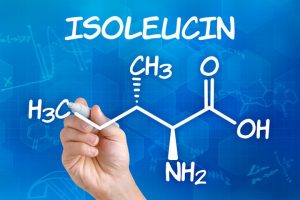
Animal studies show that restricting methionine or isoleucine intake, in particular, can improve metabolism, increase insulin sensitivity, and extend lifespan—even when calorie intake remains unchanged. Inflammation and fat accumulation in the liver also decreased in several studies. In humans, the data are much more limited so far; however, initial studies suggest that a lower intake of these amino acids could have beneficial effects on blood sugar, body weight, and metabolism.
The authors emphasize, however, that these amino acids are by no means inherently harmful. They are essential for life and fulfill numerous important functions in the body. Rather, the decisive factor appears to be the amount relative to individual needs. People who are physically active require significantly more protein, as the amino acids are used for muscle building and recovery. In contrast, for those with a predominantly sedentary lifestyle, a consistently very high intake could unnecessarily overactivate the signaling pathways mentioned above. “These studies show that the amount of protein consumed today by people with sedentary lifestyles could have negative health consequences, at least at the population level,” said Lamming. However, the authors point out that much of the evidence to date comes from animal experiments. Whether a targeted restriction of individual amino acids in humans actually leads to a longer healthy lifespan in the long term remains to be confirmed by future clinical studies.
Protein Requirements Vary from Person to Person
Some groups clearly need more protein. Pregnant women and certain older adults, for example, may have higher nutritional needs. For many sedentary adults, however, protein-enriched foods may not provide the health benefits they expect. Athletes often consume large amounts of protein without developing metabolic diseases. Lamming speculates that regular physical activity might offer protection by using the protein to build and maintain strong, healthy muscles.
“Current recommendations have encouraged people to consume more protein, but they have also encouraged them to be more active,” says Lamming. “We’ll likely need to tailor protein recommendations on an individual basis, based not only on age but also on how physically active people are.” The findings suggest that protein recommendations are most effective when they take into account both age and activity level, rather than applying a one-size-fits-all approach.
Related Posts
-

Fisetin can improve health and extend your lifespan. This flavonoid is found in some fruits…
-

As we age, the once gorgeous youthful look on our faces starts to ebb away.…
-

As you age, taking care of your teeth and dental health becomes even more important.…