
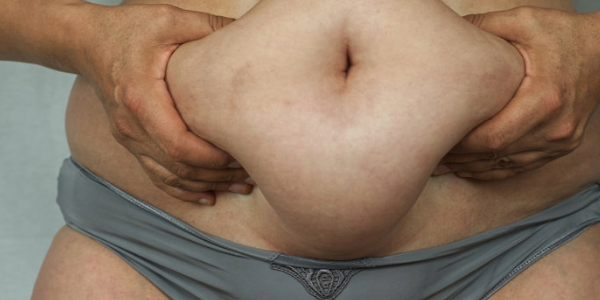
As we age, not only does more fat accumulate—it also redistributes in a way that poses health risks and is increasingly stored in the abdominal cavity, where it can be harmful to health. Scientists have discovered that testosterone plays a key role in this redistribution. In older women recovering from a hip fracture, a testosterone gel combined with physical exercise helped prevent the usual increase in dangerous visceral fat. The finding could point to a promising new strategy for improving recovery and long-term health.
The Role of Hormones in Dangerous Fat Gain
Research has now shown that hormones—particularly testosterone—play a significant role in how fat is distributed in the body over the course of a lifetime. As we age, hormone levels change significantly in both men and women. As a result, fat is increasingly deposited not just under the skin, but more heavily in the abdominal cavity around the internal organs. This so-called visceral fat is considered particularly problematic because it is hormonally active and can release pro-inflammatory substances. It is associated with an increased risk of cardiovascular disease, type 2 diabetes, high blood pressure, and metabolic disorders.

“As men and women age, there is an unhealthy redistribution of fat from the relatively harmless areas to the visceral region,” said Jacob Earp. “There is a direct link between sex hormones and fat distribution in the body.” According to the researchers, the decline in certain hormones in particular may contribute to the body storing fat differently and losing muscle mass more rapidly. At the same time, physical activity often decreases with age, which can further exacerbate these changes.
Conventional weight-loss strategies usually focus on reducing overall body weight. However, this can be problematic for older adults, as they often lose not only fat but also valuable muscle mass. Especially in older age, muscle mass is crucial for mobility, balance, strength, and overall independence in daily life. Excessive muscle loss can increase the risk of falls, bone fractures, and longer hospital stays.
“These one-size-fits-all weight-loss strategies aren’t always the healthiest approach, especially because muscle mass is lost along with fat, and maintaining muscle mass is extremely important as we age,” Earp explained. That’s why researchers are increasingly looking for more targeted methods that specifically reduce harmful visceral fat without simultaneously weakening the muscles. According to the scientists, the combination of physical exercise and hormonal support with testosterone could be such an approach. Exercise helps preserve muscle and keep the metabolism active, while testosterone may help limit the unfavorable redistribution of fat that occurs with age.
Study Examines Testosterone Gel and Exercise
Earp led a new study investigating whether a topical testosterone gel combined with exercise could help older women recover from hip fractures. The results were published in Obesity Pillars. Hip fractures are a major health problem for older women. They occur nearly three times more frequently in women than in men and are one of the leading causes of loss of independence. They occur more frequently in women primarily due to biological and age-related differences. After menopause, estrogen levels drop significantly. Estrogen normally protects bone density—without this protection, bones lose stability more quickly. As a result, women are more likely to develop osteoporosis, meaning brittle bones that can break even from minor falls. Additionally, women have, on average, lower peak bone mass than men and therefore reach critical levels more quickly. The higher average age of women also plays a role, as muscle strength and balance decline with age and the risk of falling increases—and falls are precisely the most common cause of hip fractures.
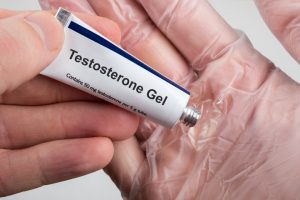
Limited mobility following such injuries can increase the risk of further health problems and additional injuries. The study followed 66 women over the age of 65 who were recovering from a recent hip fracture. Before the study began, each participant underwent a DXA scan to assess body composition. All participants completed a structured exercise program. However, only one group received the testosterone gel as part of their treatment.
Results Show Targeted Reduction in Visceral Fat
After six months, follow-up examinations showed that total body fat percentage remained similar in both groups. However, a significant difference was observed in fat distribution. Women who used the testosterone gel had a lower proportion of visceral fat. In contrast, the group that did not receive the hormone experienced an increase in visceral fat, as is typically observed during recovery from a hip fracture. “With injuries and, more generally, with advancing age, we expect an increase in visceral fat,” said Earp. “This really bucked that trend and led to a selective reduction of fat in that visceral area.”
The exact cause is not yet fully understood, but there are several well-founded biological explanations for why the testosterone gel affects fat distribution here—without significantly altering total body fat percentage. Testosterone directly influences the metabolism of fat and muscle tissue. It tends to promote the building and maintenance of muscle mass and can simultaneously help the body store less energy as visceral abdominal fat. This fat is metabolically active and reacts particularly strongly to hormonal signals.
Following a hip fracture, immobility and inflammatory processes in the body are also common. This situation typically promotes the accumulation of visceral fat because the metabolism shifts into a sort of “stress and energy-storage mode.” Testosterone could partially counteract this effect by reducing muscle loss and improving energy expenditure in the tissues. It is also important to note that the hormone does not simply alter “the total amount of fat,” but rather where the body stores fat. Therefore, the total body fat percentage remained similar, while the distribution shifted—away from visceral abdominal fat toward less unfavorable storage sites.
A Promising Path to Recovery and Healthy Aging
Many older adults permanently lose mobility or become dependent on care following a hip fracture. This is due less to the fracture itself than to its consequences, such as prolonged immobilization, muscle loss, and increased susceptibility to further illnesses. This is precisely why researchers are seeking strategies that go beyond mere bone healing. The approach outlined in the study combines two factors: targeted exercise and hormonal support via testosterone. Exercise is crucial here because it slows muscle loss following an injury, improves blood circulation, and promotes functional recovery. The hormone could additionally help better maintain muscle mass and curb unfavorable metabolic changes such as the accumulation of visceral fat.
The potential benefits thus extend beyond immediate recovery. If muscle strength, metabolism, and body composition can be stabilized, the long-term risk of further falls, repeat fractures, and chronic diseases also decreases. It is precisely this connection that makes the results interesting: it is not just about surviving an injury, but about maintaining overall health as long as possible in old age. The findings point to a potentially new approach to improving recovery and long-term health outcomes for older women following severe injuries. “These are devastating injuries from which most women never recover,” says Earp. In this case, any type of intervention that has a positive impact on health could potentially lead to a tremendous improvement in the quality of life for those affected.
Related Posts
-

After hitting 40 years, workouts don’t get any easier. This article sheds light on how…
-
Fenugreek, scientifically categorized as Trigonella foenum-graecum, is a plant native to Greece, other Mediterranean nations,…
-
What are flavonoids? They are natural plant-based compounds found in many fruits and vegetables and…