
A recent study suggests that older adults who avoid meat are slightly less likely to reach the age of 100 than those who eat meat. However, the findings are more complex than they initially appear and should not be interpreted as a simple judgment against plant-based diets.
The researchers observed more than 5,000 adults in China who were 80 years of age or older and participated in the Chinese Longitudinal Healthy Longevity Survey, a nationally representative project launched in 1998. By 2018, participants who did not eat meat were less likely to reach 100 years of age than those who consumed meat. At first glance, this seems to contradict decades of research linking vegetarian and plant-based diets to better health. Such dietary habits have been repeatedly linked to a lower risk of heart disease and stroke, type 2 diabetes, and obesity. These benefits are often attributed to higher fiber intake and lower consumption of saturated fats. Before drawing conclusions, it is important to understand who was studied and how aging changes the body’s nutritional needs.
Why Some People are Vegetarians
Many people become vegetarians for ethical, health, or environmental reasons. Compassion for animals is often the primary motivation, as they do not want to support animal suffering and factory farming. Others choose a meat-free diet for health reasons or want to protect the environment and climate through their lifestyle. Religious beliefs or social environment can also play a role in this decision. But in fact, some research suggests that genes may also be responsible.
To determine whether genetics influence a person’s ability to eat a vegetarian diet, scientists at Northwestern University compared genetic data from the UK Biobank of 5,324 strict vegetarians (who do not consume fish, poultry, or red meat) with that of 329,455 control subjects. All study participants were white Caucasians to ensure a homogeneous sample and avoid bias due to ethnicity. The study identified three genes that are significantly associated with vegetarianism and another 31 genes that are potentially associated. Several of these genes, including two of the three most important ones (NPC1 and RMC1), are involved in fat metabolism and/or brain function, the study found. One area where plant products differ from meat is complex lipids. The researchers suspect that meat may contain lipid components that some people need. And perhaps people whose genetics favor vegetarianism are able to synthesize these components endogenously.
How Aging Changes Nutritional Needs
The study focused exclusively on adults aged 80 and older, a group with very different nutritional needs than younger adults. As we age, our bodies undergo significant physiological changes. Energy expenditure decreases, and there is often a loss of muscle mass, bone density, and appetite. Together, these changes increase the risk of malnutrition and frailty.
Most evidence for the health benefits of a meat-free diet comes from studies of younger adults, not frail older adults. Some research suggests that older adults who do not eat meat may be at higher risk for bone fractures due to lower calcium and protein intake. In later life, nutritional priorities shift. Rather than focusing on preventing long-term diseases, the focus now is on maintaining muscle mass, preventing weight loss, and ensuring that each meal provides ample nutrients.
The study’s findings may therefore reflect the nutritional challenges of advanced age rather than inherent problems with a plant-based diet. Crucially, this does not detract from the well-documented health benefits of this diet for younger and healthier adults.
Body Weight and the Risk of Being Underweight
Here is a crucial detail: the lower probability of reaching 100 years of age was only observed in underweight participants. No such association was found in older adults of healthy weight. Being underweight in old age is already strongly associated with an increased risk of frailty and death. Body weight therefore appears to be a crucial factor in these findings.
It should also be remembered that this is an observational study, which shows correlations rather than cause-and-effect relationships. Just because two things occur at the same time does not mean that one causes the other. The results are also consistent with the so-called “obesity paradox” in old age, according to which a slightly higher body weight is often associated with a higher life expectancy in old age.
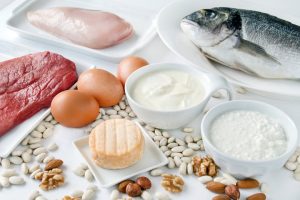
It is noteworthy that the lower probability of reaching 100 years of age observed in non-meat eaters was not observed in those who included fish, dairy products, or eggs in their diet. These foods provide nutrients that are essential for maintaining muscle and bone health, including high-quality protein, vitamin B12, calcium, and vitamin D. Older adults who ate this way were just as likely to live to 100 as meat eaters. The researchers suggested that consuming moderate amounts of animal foods, compared to a strictly plant-based diet, may help prevent malnutrition and loss of lean muscle mass in old age.
What this Means for Healthy Aging
The overall conclusion is not that a particular diet is universally superior. Rather, diet should be appropriate for a person’s stage of life. Calorie requirements tend to decrease with age (due to lower energy expenditure at rest), but the need for certain nutrients actually increases.
Older adults still need adequate protein, vitamin B12, calcium, and vitamin D—especially to maintain muscle mass and prevent frailty. In older adulthood, preventing malnutrition and weight loss often becomes more important than long-term prevention of chronic diseases.
A plant-based diet can still be a healthy choice, but it may require careful planning and, in some cases, supplementation to ensure adequate nutrient intake, especially in older age. Ultimately, your body’s needs at age 90 may be significantly different from what they were at age 50. Nutritional recommendations should evolve over time, and adjusting your dietary habits as you age is both expected and appropriate.
Related Posts
-

An unprecedented international research initiative combining brain scans and memory tests from thousands of adults…
-
What are flavonoids? They are natural plant-based compounds found in many fruits and vegetables and…
-
As you get older, fatigue can negatively impact your quality of life if you aren't…