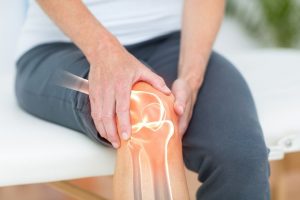
According to a new clinical study, taking a prebiotic fiber supplement daily may help relieve pain and improve physical function in people with knee osteoarthritis. Participants who took the supplement also demonstrated greater grip strength and reduced pain sensitivity, while the group had far fewer dropouts than those assigned to a digital physical therapy program.
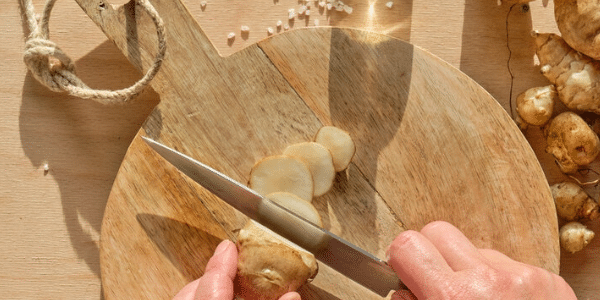
Researchers at the University of Nottingham led the “INSPIRE” clinical trial, which tested inulin, a natural dietary fiber found in chicory roots, Jerusalem artichokes, and other vegetables. Daily intake of inulin led to significant pain relief in participants with OA. The results, published in the journal Nutrients, suggest that promoting gut health could offer a new approach to treating a widespread and disabling condition that frequently affects older adults.
How Prebiotic Fiber Might Affect Painful Knee Osteoarthritis
Hundreds of millions of people worldwide suffer from knee osteoarthritis, which is one of the leading causes of chronic pain and disability, particularly among older adults. Treatment often involves pain medications, which can cause side effects, or exercise programs that some patients find difficult to maintain over the long term. “This study opens up the promising possibility that a simple dietary change—adding a fiber supplement to breakfast or yogurt—could significantly relieve pain and improve physical function,” said Dr. Afroditi Kouraki, lead author of the study from the University of Nottingham’s School of Medicine.
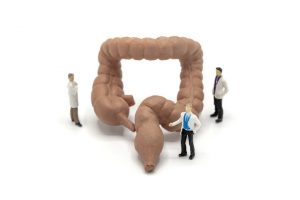
The gut microbiome consists of trillions of bacteria that influence not only digestion but also the immune system, metabolism, and possibly pain processing. Inulin is a prebiotic and serves as food for certain beneficial gut bacteria. When inulin is metabolized, short-chain fatty acids such as butyrate are produced. These can influence inflammatory processes and signaling pathways involved in the development and processing of pain. As a result, a change in the gut microbiome could potentially also affect chronic pain associated with osteoarthritis.
The study participants who took inulin had higher levels of butyrate and GLP-1. GLP-1 is a gut hormone that, among other things, regulates metabolism and may also be involved in pain and muscle regulation. Higher GLP-1 levels were also associated with better grip strength in the study. The results thus suggest a possible link between gut health, pain sensitivity, and muscle function. However, further studies are needed to determine whether butyrate and GLP-1 are indeed the cause of the observed improvements.
Inulin and Physical Therapy Relieved Pain
A total of 117 adults with knee osteoarthritis participated in the six-week randomized controlled trial. The participants were divided into four groups that received either inulin alone, digital physical therapy-assisted exercises (PSE) alone, both treatments combined, or a placebo. Both inulin and physical therapy independently led to a reduction in knee pain. However, only the inulin group showed improved grip strength and reduced pain sensitivity. These measurements can provide insight into how the nervous system perceives and processes pain signals.
The inulin group also had a significantly lower dropout rate. Only 3.6% of participants who took the dietary supplement dropped out of the study, compared with 21% in the physical therapy group. This difference suggests that for many patients, it may be easier to incorporate a dietary supplement into their daily routine than to adhere to an exercise program. Dr. Kouraki said: “Our results suggest that promoting gut health through a prebiotic dietary supplement is a safe, well-tolerated, and effective method for relieving pain in people with knee osteoarthritis. The very low dropout rate compared to the exercise group is also encouraging from a public health perspective—participants were able to easily integrate this dietary supplement into their daily lives.”
A Possible Link Between the Gut, Muscles, and Pain
The lead author of the study, Professor Ana Valdes of the School of Medicine, emphasizes that the link between GLP-1 levels and grip strength is particularly interesting. The results may suggest that there is a connection between the gut, the muscles, and pain processing that is not yet fully understood. The so-called gut-muscle axis could therefore play an important role in the future research on osteoarthritis and other age-related conditions. According to the researchers, the health of the gut microbiome may not only influence pain but could also be linked to muscle strength, physical resilience, and the general aging process. However, whether these associations are actually causal must still be investigated in further and larger studies.
Professor Lucy Donaldson, Director of Research at Arthritis UK, also highlights the significant impact of chronic arthritis pain on quality of life. Many people with the condition suffer from regular or persistent pain that can significantly limit their daily lives and mobility. At the same time, research into the connection between the gut microbiome and pain perception is still in its early stages. The current study, however, provides interesting evidence that diet and exercise may represent different, potentially complementary ways to support people with osteoarthritis.
A balanced diet with sufficient fiber, combined with regular physical activity, remains an important component of a healthy lifestyle. Further research is now needed to determine whether specifically targeting the gut microbiome can indeed help reduce pain and improve physical performance in people with osteoarthritis over the long term.
Additional Measures That May Help with Osteoarthritis
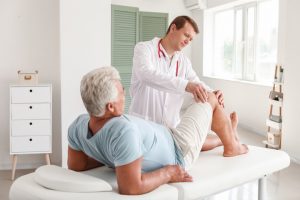
In addition to a balanced, fiber-rich diet, there are several measures that, according to current scientific knowledge, play an important role in the treatment of knee osteoarthritis. One of the central pillars is regular physical activity. Targeted strength training can strengthen the muscles around the knee, thereby better absorbing the strain on the joint during daily activities. At the same time, low-impact endurance activities—such as cycling, swimming, or regular walking—can help maintain mobility and physical performance. Exercises guided by a physical therapist can also be beneficial, especially when pain or limited mobility make independent activity difficult.
For people who are overweight or obese, weight loss can also be an important therapeutic approach. Lower body weight reduces the mechanical stress on the knee joint and can thereby alleviate pain and limitations in daily life. Furthermore, metabolic and inflammatory processes—which can be exacerbated by excess weight—may also play a role in the development of osteoarthritis and pain sensitivity.
In addition, pain management measures can be employed. Depending on the individual’s situation, these may include, for example, topical or oral pain and anti-inflammatory medications, as well as other medical treatments in certain cases. Which treatment is appropriate depends, among other factors, on the severity of symptoms, comorbidities, and potential side effects, and should therefore be discussed individually with a healthcare professional.
Overall, current research suggests that osteoarthritis should not be viewed exclusively as a disease of the articular cartilage. Rather, mechanical stress, muscle strength, body weight, inflammatory processes, metabolism, and the processing of pain signals all interact. A multimodal approach that combines exercise, muscle strengthening, weight management, a balanced diet, and, if necessary, medical pain management may therefore be more effective than a single intervention. Prebiotic fibers such as inulin could potentially play a complementary role in the future; however, their exact significance for the long-term treatment of osteoarthritis still needs to be clarified through larger and longer-term studies.
Related Posts
-

A minimally invasive procedure that blocks abnormal blood vessels in the knee area could provide…
-
People living with knee osteoarthritis may find the greatest relief from aerobic activities such as…
-
Knee braces, water therapy, and exercise are the most promising non-drug therapies for treating knee…