

A longer life is often accompanied by changes in cognitive abilities, and working memory is among the mental abilities most vulnerable to age-related decline. Researchers have long believed that both physical exercise and mentally stimulating activities can help maintain brain health in old age. Two brain regions that frequently shrink and lose activity with age are the putamen and the cerebellum. Interestingly, neuroscientific studies have identified precisely these areas as particularly responsive to learning a musical instrument. However, much of the previous research focused on younger people or individuals who had begun playing music during childhood.
Learning a Musical Instrument: Brain Scans Show Differences After Four Years
To investigate whether older adults can achieve similar benefits, researchers at Kyoto University examined what happens when people begin learning a musical instrument only in later life. The team had previously reported that older adults who played a musical instrument for the first time over a four-month period showed improvements in memory performance and putamen function. Encouraged by these results, the researchers wanted to find out whether the positive effects would last in the long term. The new study followed the same participants as the earlier project from 2020. At the start of the original study, the participants were 73 years old on average. After completing the initial four-month training phase, about half continued playing an instrument for more than three years, while the others stopped and pursued other hobbies instead.
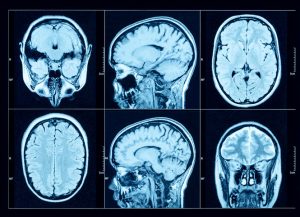
Four years after the study began, the researchers invited the participants back for MRI scans, which specifically analyzed the putamen and the cerebellum. In addition, the participants completed several cognitive tests, including a test of verbal working memory—that is, the ability to store information in short-term memory and actively process it. At the start of the study, the participants did not differ significantly in terms of either their brain structure or their cognitive performance. After four years, however, clear differences emerged between those who had continued playing music and those who had stopped. The participants who no longer played exhibited declines in verbal working memory and, at the same time, showed a reduction in the volume of gray matter in the right putamen. In contrast, among those who continued to play their instrument regularly, both memory performance and the structure of this brain region were significantly better preserved.
The role of the putamen is particularly noteworthy. This structure, located deep within the brain, is part of the basal ganglia and is involved in a variety of functions, including movement control, learning, habit formation, attention, and the coordination of complex sequences of actions. When playing music, the putamen is continuously engaged, as the brain must constantly plan precise movements, correct errors, and link sensory information with motor responses. Anyone who plays an instrument thus continuously trains the ability to coordinate perception, thought, and movement. This repeated activation appears to help the nerve cells in this area remain functional longer and slow down age-related structural loss.
Music Engages Attention, Memory, Motor Skills, Perception, Emotional Processing, and Creativity
Furthermore, the researchers found that participants who continued to play music showed higher activity in larger areas of both cerebellar hemispheres. For a long time, the cerebellum was primarily associated with balance and motor coordination. Today, however, we know that it also plays an important role in attention, working memory, language processing, and complex thought processes. When playing an instrument, the cerebellum must continuously refine movements, control rhythm, optimize timing, and correct errors in real time. At the same time, it processes sensory feedback via hearing, touch, and movement. This intense demand creates an exceptionally challenging workout for neural networks that goes far beyond mere motor skills.
“We were surprised to find that the effects on the brains of older adults who begin and continue playing music were also concentrated in these two areas of the brain, and that this is an effective means of preventing age-related decline in performance,” explains corresponding author Kaoru Sekiyama. From a scientific perspective, this finding is particularly interesting because both the putamen and the cerebellum are among the brain regions that frequently lose volume and activity with age. The fact that the positive effects of playing music are evident precisely in these areas suggests that musical training specifically stimulates the neural systems that are central to memory, learning, and coordinated actions.
Music represents a unique form of mental activity because it simultaneously engages multiple brain functions: attention, memory, motor skills, perception, emotional processing, and creativity. While many other leisure activities engage only individual areas, making music activates nearly the entire brain in a closely interconnected interplay. In this context, neuroscientists refer to neuroplasticity—the brain’s ability to adapt through experience and practice and to form new neural connections. Learning an instrument is one of the most complex forms of training there is, as new movement patterns must constantly be learned, stored, and refined. At the same time, music often generates positive emotions and activates the brain’s reward system, which, among other things, promotes the release of the neurotransmitter dopamine. This interplay of mental challenge, sensory stimulation, motor activity, and emotional engagement could explain why making music is particularly effective in mitigating age-related cognitive changes and supporting long-term brain health.
Music as a Means for Healthy Brain Aging
The findings suggest that learning and continuing to play a musical instrument can help delay or mitigate some of the cognitive changes associated with the normal aging process. The results also show that people can benefit even if they begin learning later in life. “It’s never too late to start playing an instrument, and starting in old age can bring significant benefits.” Sekiyama also noted that music can be particularly valuable for people who find physical exercise difficult. “For those who have difficulty being physically active due to physical pain or other issues, playing a musical instrument can be a great alternative. “How wonderful that making music has such a positive impact on the brain and cognitive functions!” said Sekiyama.

Similar findings were also shown in earlier research published by experts at the University of Exeter, suggesting that lifelong engagement with music is associated with better brain health in old age. Scientists working on PROTECT—an online study for people aged 40 and older—analyzed data from more than a thousand adults over 40 to investigate the effects of playing music—or singing in a choir—on brain health. Over 25,000 people have enrolled in the PROTECT study, which has been running for many years. The team examined the participants’ musical experience and their lifelong exposure to music, as well as the results of cognitive tests, to determine whether musicality helps keep the brain fit in old age.
The results show that playing a musical instrument, especially the piano, is associated with improved memory and the ability to solve complex tasks—known as executive function. Playing well into old age offers even greater benefits. The study also points out that singing is linked to better brain health, although this could also be due to the social factors associated with participating in a choir or group. There is ample evidence of the benefits of musical group activities for people with dementia, and this approach could be expanded as part of a healthy aging package for older adults to enable them to proactively reduce their risk and optimally promote brain health.
Related Posts
-

An unprecedented international research initiative combining brain scans and memory tests from thousands of adults…
-
Selenium minerals can inhibit your brain aging and memory loss. A study by the University…
-
As we grow older, the brain changes in many ways. In general, these changes result…