

The ability to manage daily tasks without severe or debilitating symptoms is an important component of quality of life in older age. New research suggests that taking a multivitamin daily may help maintain this independence. After three years, adults who took a multivitamin daily showed significantly better scores regarding their functional health than participants who received a placebo. According to the researchers, the results suggest that multivitamins may help older adults maintain their ability to function in daily life—possibly through positive effects on cognitive health, circulation, and physical endurance.
A Large-Scale Study of Adults Over 60
“What makes this work unique is our focus on functional health—that is, how people actually feel and function in their daily lives—rather than just on the prevention of serious diseases,” said Dr. Bayu B. Bekele, a postdoctoral fellow at the Georgia Prevention Institute at the Medical College of Georgia, Augusta University. “For older adults, these findings suggest that a daily multivitamin supplement could be a helpful, low-risk addition to a healthy lifestyle to support physical well-being as they age, even though it is not a substitute for a good diet or exercise.”
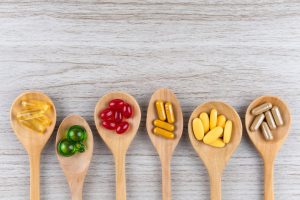
Bekele presented the findings at NUTRITION 2026, the flagship annual meeting of the American Society for Nutrition. He conducted the study in collaboration with Yanbin Dong, MD, PhD, Regents’ Professor of Medicine and Director of the Georgia Prevention Institute at the Medical College of Georgia at Augusta University. The analysis included data from more than 16,000 adults aged 60 and older who participated in the COcoa Supplement Multivitamins Outcomes Study (COSMOS).
As part of the COSMOS study, participants were randomly assigned to one of the following groups: daily intake of a multivitamin supplement, a cocoa extract supplement, both supplements, or neither. The control group, as well as participants who received only one of the two supplements, were given placebos.
Multivitamins are Associated with Improved Daily Functioning
After three years of supplementation, participants in the multivitamin group reported significantly better functional health than those who received a placebo. The assessment was conducted using the Kansas City Cardiomyopathy Questionnaire (KCCQ), a scientifically validated questionnaire designed to measure physical performance and the burden of symptoms. Originally developed for people with heart failure, the KCCQ is also used in studies to assess changes in health-related quality of life and physical functioning.
Among other things, the questionnaire assesses:
- the frequency and severity of symptoms such as fatigue, shortness of breath, or swelling,
- the impact of these symptoms on daily activities,
- physical performance,
- and perceived quality of life.
The greatest differences between the multivitamin and placebo groups were observed in symptom burden and the overall clinical score. This score combines several individual sections of the questionnaire and provides a comprehensive picture of functional health. Medical professionals define functional health as the ability to perform everyday tasks independently and without major physical limitations. These include, for example, getting dressed, bathing, walking, climbing stairs, brisk walking or jogging, as well as household chores. Resilience in daily life and the ability to participate in social activities are also factored into the assessment.
The researchers suspect that the observed benefits may be attributable to several factors. An adequate supply of vitamins and minerals supports numerous metabolic processes, cellular energy production, nerve and muscle function, and the cardiovascular system. Previous analyses of the COSMOS study had also provided evidence that multivitamins might have a beneficial effect on certain aspects of cognitive function in older adults. Improved mental and physical performance could collectively have a positive impact on the ability to manage everyday tasks. However, these potential mechanisms were not directly measured in the present study and therefore remain the subject of further research.
Dr. Bayu B. Bekele emphasized that the results could be particularly significant for older adults with symptoms such as fatigue, shortness of breath, or reduced exercise tolerance. At the same time, the authors point out that while the measured differences were statistically significant, the magnitude of the effect was not specified in the published abstract. Therefore, it is not yet possible to assess how much the observed improvements actually make a difference in everyday life.
Results on Cocoa Extract
In addition to the multivitamin supplement, the COSMOS study also examined the effects of a standardized cocoa extract supplement. Cocoa is rich in so-called flavanols, a group of plant-based polyphenols that are believed to have vasodilatory, anti-inflammatory, and antioxidant properties, among others. Previous studies had provided evidence that cocoa flavanols improve blood vessel function, slightly lower blood pressure, and may have a positive effect on cardiovascular health. For this reason, the researchers wanted to examine whether these potential benefits are also reflected in improved physical functioning among older adults.
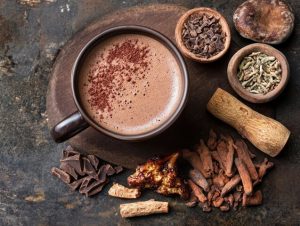
In the current analysis, however, the cocoa extract showed no significant benefit for the functional health of the study population as a whole. Participants who took the cocoa extract did not differ overall from those in the placebo group in terms of their physical performance and activities of daily living. One exception was observed in a smaller subgroup of participants with heart failure. In this group, functional health measures improved significantly. People with heart failure often suffer from symptoms such as fatigue, shortness of breath, and reduced physical endurance. Since cocoa flavanols can improve vascular function and blood flow, the researchers consider a positive effect in this patient group to be biologically plausible.
However, this result should be interpreted with caution. Although subgroup analyses—that is, evaluations of individual participant groups—provide valuable insights, they are not considered as robust as the results from the entire study population. Such findings must be confirmed in studies specifically designed for patients with heart failure before general recommendations can be derived from them. The authors therefore emphasize that the current data do not justify a general recommendation for taking cocoa extract to improve physical function in older adults. Although the results regarding the multivitamin supplement are promising, the researchers stress that dietary supplements should not be viewed as a substitute for a balanced diet or regular physical activity. You should also consult a doctor before taking any new dietary supplement.
Preliminary Results Require Further Review
The study results were presented at NUTRITION 2026, the annual meeting of the American Society for Nutrition. The study was funded by the National Institutes of Health (NIH), and the submitted abstracts were reviewed by a panel of experts prior to presentation.
However, this is currently only a conference abstract. Unlike a publication in a scientific journal, the study has not yet undergone the full peer-review process, in which independent experts evaluate the study design, analysis, and conclusions in detail. Furthermore, complete study data are not yet available.
The results should therefore be considered preliminary. Only publication in a peer-reviewed journal and confirmation by further studies can demonstrate how robust the observed benefits of multivitamin supplements actually are.
Related Posts
-

Fluctuations of testosterone could have an adverse effect on lung function. Testosterone, which is primarily…
-
The human gut has a massive impact on the health and functionality of our brains.…
-
Older adults experience less muscle soreness after exercise, a study shows, refuting the popular belief…