Let’s face it, getting older can be a beautiful journey filled with life lessons, improved maturity, and a sense of hunger to accomplish our goals and aspirations.
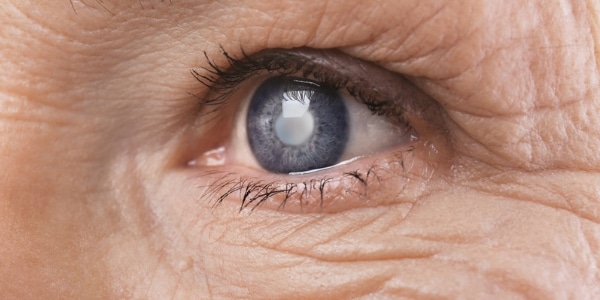
However, many of us start to notice that our bodies don’t perform the way they did in our late teens, 20s and even in our 30s. Although this process is an inevitable byproduct of being human, there are certain things that hinder our quality of life: cataracts being one of them.
If you’re ready to understand how your eyesight will change as you age, you’ll want to keep reading.
Don’t Panic, Cataracts Are Normal
If you’ve begun to notice that your eyesight is no longer what it used to be, don’t be afraid! According to statistics released by Laser Eye Surgery Hub, over 30% of the entire population 65 and older will experience cataracts at some point during their lives. Eyesight is almost always one of the areas in which we notice impairment as we go through our days.
Ask yourself this: Have you ever noticed that you have trouble reading fine print? Perhaps you noticed this impairment as you were taking an eye test or at your local DMV. Whatever the case may be, realize that you’re not alone and this process is a normal part of maturing in years.
With that said, no one wants to have to squint and struggle to maintain normal eyesight. It’s essential to know that eyesight and our ability to accurately make out certain objects are directly influenced by our hormonal regulation. In children entering puberty, their hormonal balance goes awry and can lead to temporary bouts of vision blurriness, difficulty reading and changes in depth perception. In older adults, this process becomes more pronounced as hormonal profile begins to decline.
Menopause and Eyesight
Men and women alike will inevitably hit an age where their hormones begin to slow down and certain body parts start lagging behind. For women, their estrogen production begins to slow down during the menopausal and post-menopausal stages of their lives. Once estrogen becomes scarce within their biology, the glands within the eye begin to dry up. This creates eye irritability, redness, reliance on eye drops and difficulty gauging text and objects at various distances.
Andropause and Eyesight
 In men, this experience still exists but is less pronounced than their female counterparts. Although we’re well aware of a woman’s change during menopause, many of us forget that men go through a similar experience as they get older as well. Andropause is a change in a man’s hormonal profile as their sex hormone (testosterone) begins to drop over the years. This period is often accompanied with side effects like low energy, excessive sleeping, increased hunger, irritability and little desire to become intimate with their partner. Testosterone plays a vital role in soft tissue organs, and a decrease of production of this hormone can negatively impact the eye’s ability to moisturize itself throughout the day.
Let’s Fight Back!
Even though cataracts seem like something we just have to deal with, there are strategies and techniques we can implore to improve our vision even as we mature. Like with all lifestyle changes, we must first examine the type of routine we’re following on a regular basis.
Are you consuming enough green vegetables? Do you ingest the daily recommended amount of water in your diet? Does going to the gym sound more like torture than something you enjoy?
These three practices, when performed on a day-to-day basis, has been shown to lower the impact that impaired vision has on our bodies. A study concluded that participants who ate a balanced diet filled with fruits and vegetables significantly reduced their risk of experiencing vision impairment as they began to age. Their diets were rich in vitamin C from organic sources, and this led to improved eyesight and allowed the participants to read and navigate their lives much easier.
If you’re starting to notice your eyesight becoming foggy or gray, it may be time to consult with your healthcare physician about the next steps. Realize that your lifestyle and your vision are in your control and should never hinder your experiences.
Related Posts
-

It is possible for an individual's hormones to age at a far too accelerated pace.…
-
Diabetes negatively impacts the body's ability to react to its hormones, in turn confusing the…
-
A recent study has discovered that people age with fewer health problems when they have…